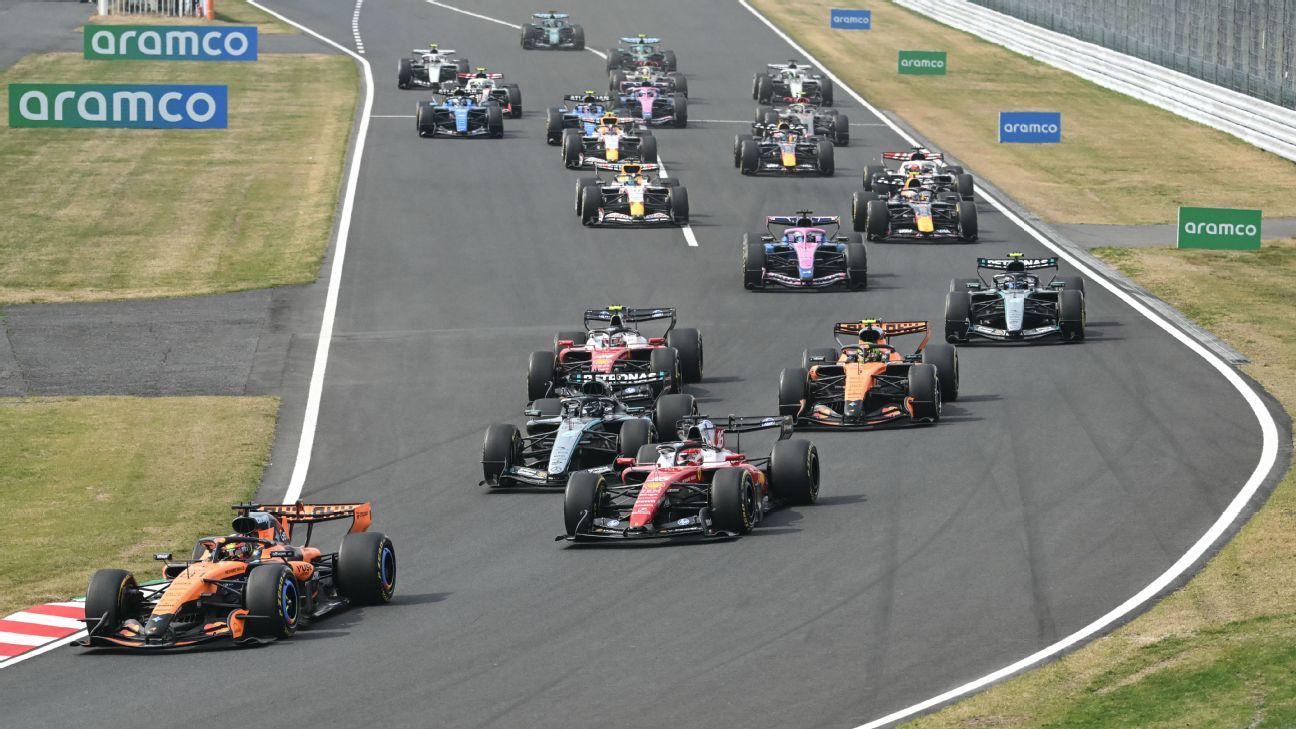
The FIA and Formula 1 management are actively exploring potential adjustments to the upcoming 2026 technical regulations. Their primary focus is on enhancing energy management systems within the cars, aiming to resolve some of the issues revealed during the initial races of this year's championship.
These proposed tweaks come after teams and officials identified certain shortcomings in the current regulations that impact performance and efficiency. The goal is to create a more balanced and sustainable racing environment while maintaining the sport's competitiveness and technological innovation.
Sources close to the discussions indicate that the FIA and F1 bosses are particularly interested in refining how energy is stored, deployed, and recovered during races. This includes potential changes to hybrid systems, battery technology, and energy recovery systems (ERS), which are crucial for optimizing performance without compromising safety or environmental considerations.
During recent meetings, stakeholders emphasized the importance of ensuring that the regulations promote technological advancement while also making the sport more sustainable. The focus on energy management is seen as a key factor in achieving these objectives, especially as Formula 1 aims to align with broader environmental goals and push for greener racing solutions.
While specific details of the proposed regulation changes are still under discussion, it is clear that the FIA and F1 are committed to refining the rules to foster innovation and address the challenges faced in the current season. These adjustments are expected to be finalized ahead of the 2026 season, with teams preparing to adapt their designs accordingly.
Overall, the initiative reflects a proactive approach by the sport's governing bodies to ensure that Formula 1 remains at the forefront of technological development, sustainability, and exciting competition in the years to come.